

Oil Prices Rise as Middle East Supply Risks Intensify
Global oil prices climbed during July 2026 as escalating geopolitical tensions in the Middle East renewed concerns over the stability of crude oil supplies. The Strait of Hormuz, one of the world’s busiest oil shipping routes, remains under close scrutiny as regional security risks continue to influence global energy markets. Traders are closely monitoring developments that could disrupt the transportation of crude oil and liquefied natural gas (LNG), leading to increased market volatility and higher benchmark crude prices.
Energy analysts note that even the possibility of supply disruptions has prompted buyers to strengthen inventories and diversify supply sources. As a result, oil-producing nations and energy companies continue to focus on improving production capacity, export flexibility, and supply chain resilience.
Market Growth by Numbers
- Brent crude prices: Rose to their highest level in more than one month as geopolitical risks intensified.
- Strategic shipping route: Nearly one-fifth of global oil shipments pass through the Strait of Hormuz, making it a critical energy corridor.
- Market volatility: Increased uncertainty has resulted in higher price fluctuations across global crude oil markets.
- Energy security: Importing countries continue strengthening strategic petroleum reserves to reduce supply risks.
- Global demand: Despite short-term volatility, worldwide demand for crude oil remains resilient.
Key Demand Drivers
- Geopolitical tensions: Regional conflicts continue to influence global energy supply expectations.
- Strong global energy consumption: Industrial production, transportation, and aviation continue supporting steady petroleum demand.
- Inventory replenishment: Governments and commercial buyers are increasing crude inventories to improve supply security.
- Supply diversification: Refiners are seeking additional supply sources to reduce dependence on high-risk shipping routes.
Technology & Industry Trends
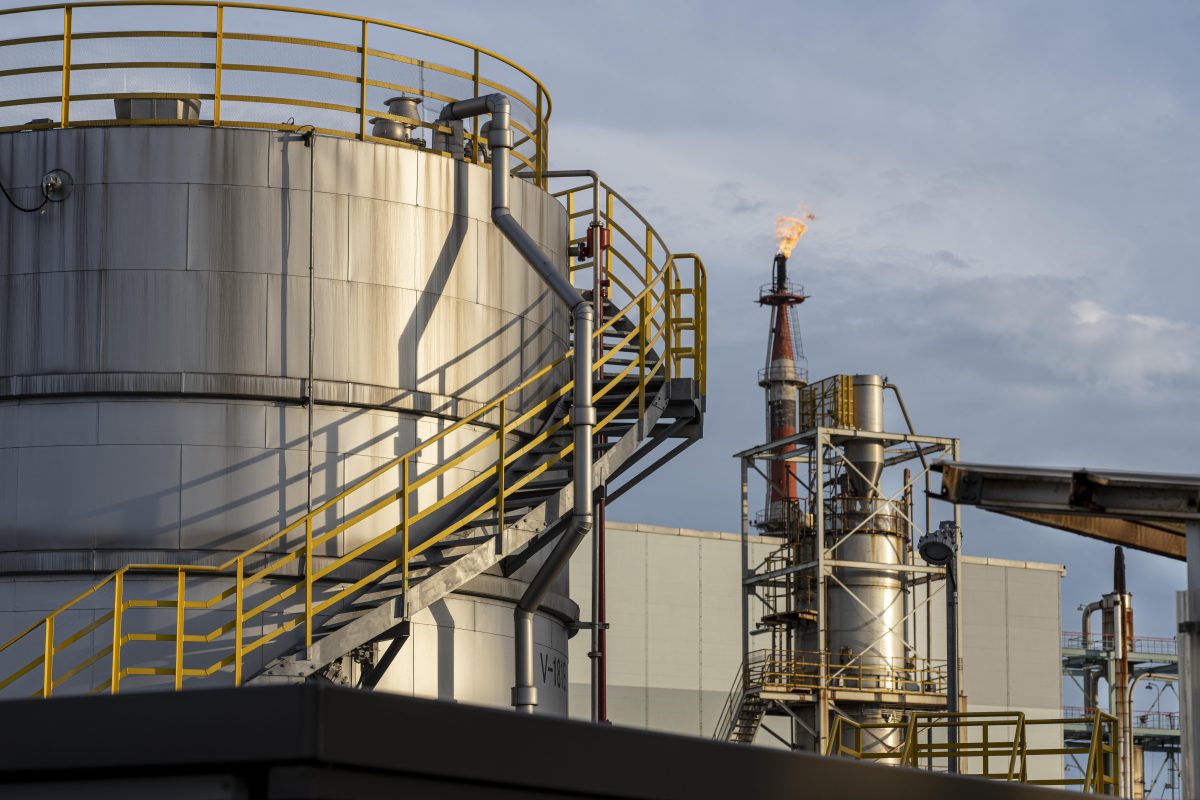
- Supply chain resilience: Energy companies are investing in alternative export routes, storage infrastructure, and logistics networks.
- Digital trading platforms: Advanced analytics and AI are helping traders respond more quickly to market volatility.
- Pipeline expansion: Oil-producing countries continue investing in pipeline infrastructure to reduce reliance on maritime transport.
- Strategic reserve management: Governments are modernizing petroleum storage facilities to improve emergency response capabilities.
Industry Impact
- Higher energy costs: Rising crude prices increase fuel costs for transportation, logistics, and manufacturing industries.
- Investment opportunities: Elevated prices encourage additional upstream exploration and production activities.
- Supply chain adjustments: Importers are diversifying procurement strategies to minimize geopolitical risks.
- Market uncertainty: Continued regional tensions are expected to keep oil markets sensitive to geopolitical developments.
Outlook
The outlook for global oil markets will remain closely linked to geopolitical developments in the Middle East throughout the second half of 2026. While global crude demand continues to support market fundamentals, ongoing supply risks are expected to keep oil prices volatile. Energy producers, refiners, and governments are likely to continue investing in supply diversification, strategic reserves, and infrastructure improvements to strengthen long-term energy security.
Reference
- Source: Reuters, “Oil Prices Rise as Middle East Supply Risks Intensify,” July 2026; International Energy Agency (IEA) market updates.