Iraq Accelerates Alternative Oil Export Routes
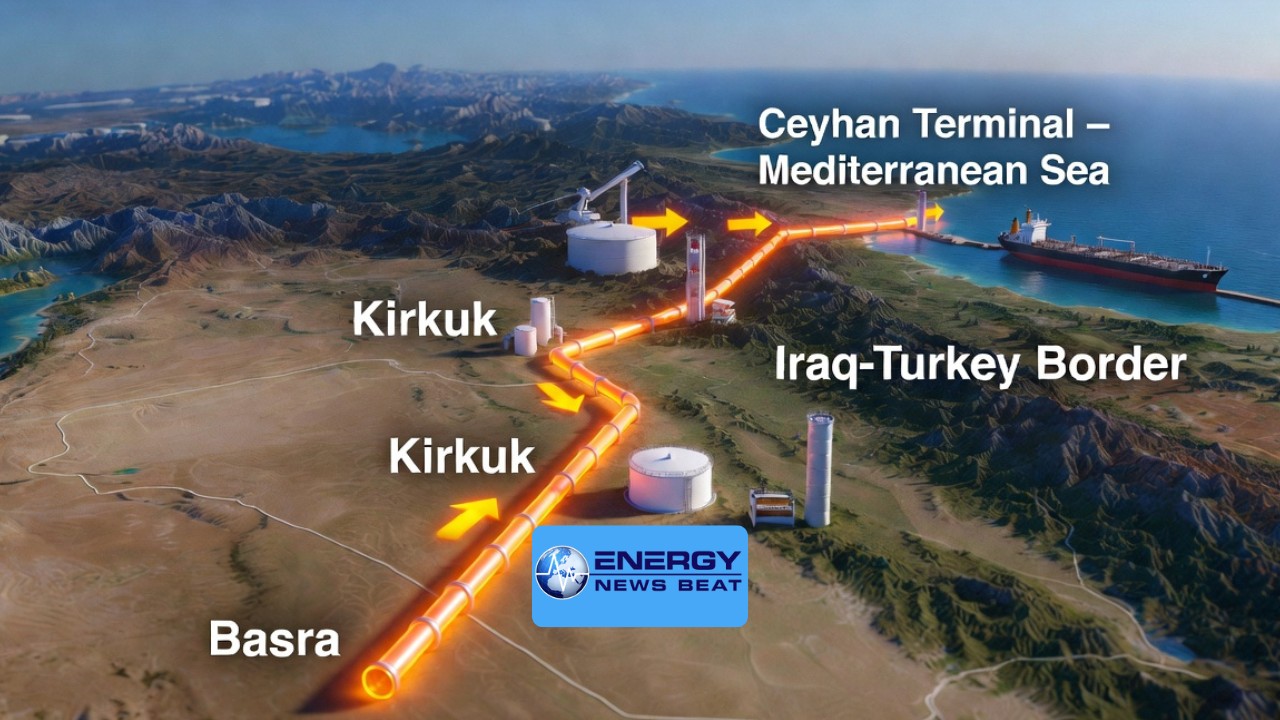
Iraq is accelerating efforts to expand and diversify its oil export infrastructure as part of a broader strategy to strengthen energy security and reduce dependence on the Strait of Hormuz. Recent geopolitical tensions in the Middle East have highlighted the vulnerability of global energy supply chains, prompting Iraq to prioritize alternative export corridors. New pipeline projects and infrastructure upgrades are expected to improve export flexibility and ensure more stable crude oil shipments in the years ahead.
Market Growth by Numbers
- Export diversification: Iraq is pursuing multiple export routes to reduce reliance on a single shipping corridor.
- Pipeline expansion: New and upgraded pipeline infrastructure is under evaluation to support future export growth.
- Global oil supply: Iraq remains one of the world’s largest crude oil exporters, supplying key markets in Asia and Europe.
- Strategic importance: Alternative export routes are expected to improve long-term supply reliability.
- Infrastructure investment: Significant investments are planned to modernize export facilities and logistics networks.
Key Demand Drivers
- Energy security concerns: Recent regional tensions have increased the urgency of developing alternative export options.
- Growing global energy demand: Continued demand for crude oil requires reliable export infrastructure.
- Supply chain resilience: Diversified transport routes help reduce risks associated with geopolitical disruptions.
- Export capacity expansion: Iraq aims to support future production growth through improved logistics capabilities.
Technology & Infrastructure Trends
- Pipeline modernization: Investment in advanced pipeline systems is improving operational reliability and efficiency.
- Digital monitoring systems: Real-time monitoring technologies are being adopted to enhance pipeline safety and performance.
- Port infrastructure upgrades: Expansion and modernization of export terminals are supporting higher shipment capacity.
- Integrated logistics solutions: Improved coordination between pipelines, storage facilities, and export terminals is strengthening supply chain efficiency.
Industry Impact
- Enhanced export flexibility: Multiple export routes reduce dependence on the Strait of Hormuz.
- Improved supply security: Diversification helps ensure stable crude exports during periods of geopolitical uncertainty.
- Increased infrastructure investment: New projects create opportunities for engineering, construction, and oilfield service companies.
- Greater market confidence: Reliable export capabilities support long-term investment in Iraq’s energy sector.
Outlook
Iraq’s efforts to develop alternative oil export routes are expected to remain a strategic priority throughout 2026 and beyond. As geopolitical risks continue to influence global energy markets, investments in pipeline infrastructure, export terminals, and logistics networks will play a critical role in enhancing energy security and supporting future production growth.
Reference
- Source: Energy News Beat, “Iraq Set to Accelerate Hormuz Bypass,” June 2026.