

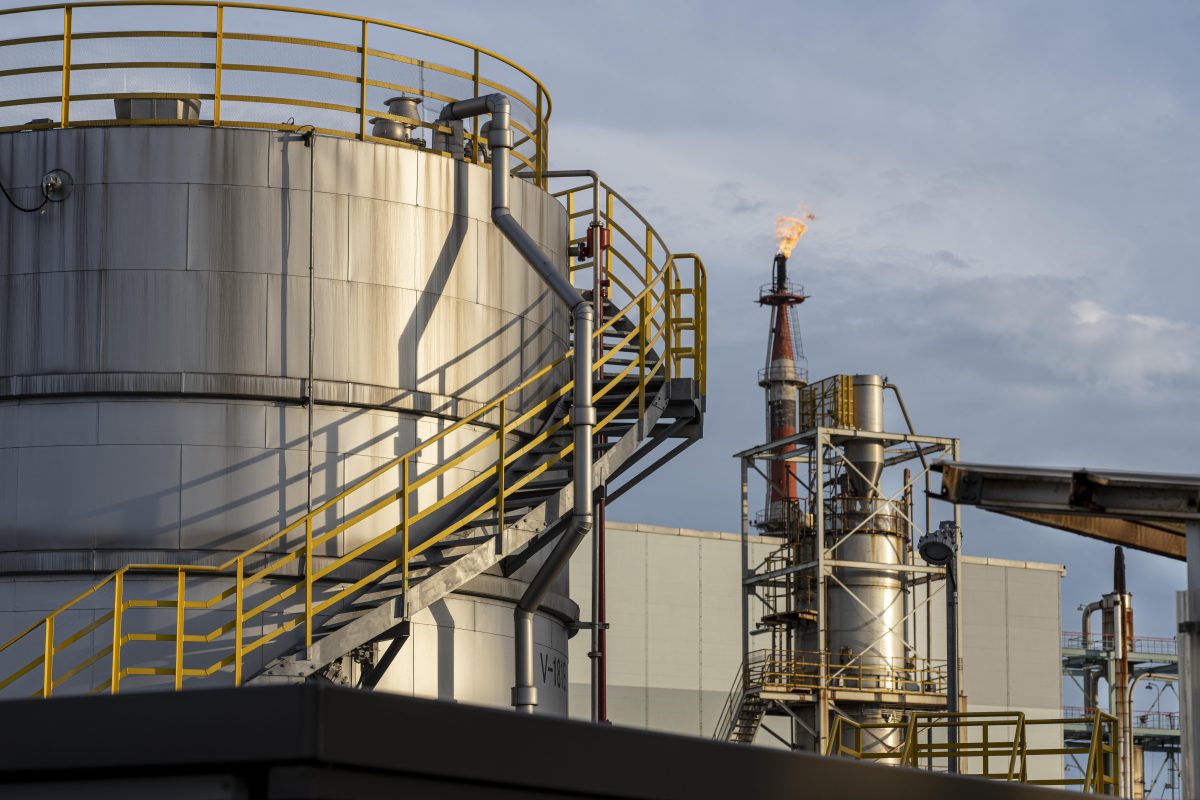

Geopolitical Conflict Driving Market Volatility
Global oil markets are experiencing extreme volatility in March 2026 as escalating geopolitical conflicts disrupt supply chains and create uncertainty across key producing regions. Both physical supply risks and financial market reactions are contributing to sharp price movements and unstable trading conditions.
Market Impact by Numbers
- Brent crude prices: Surged above $110 per barrel, compared to an average of $75–85 per barrel in late 2025.
- Daily price swings: Intraday fluctuations reached $5–10 per barrel, with weekly volatility exceeding 12–15%.
- Supply at risk: Around 20% of global oil supply passes through high-risk regions affected by conflict.
- Disrupted volumes: Estimated 2–3 million barrels per day (bpd) of supply faced temporary disruption or delay.
- Inventory decline: OECD commercial oil stocks dropped by approximately 30–50 million barrels during recent weeks.
Key Drivers of Volatility
- Strategic chokepoints: The Strait of Hormuz alone handles nearly 17–20 million barrels per day, making it a critical vulnerability.
- Infrastructure risks: Oil terminals, pipelines, and refineries in affected regions are operating under heightened security threats.
- Shipping disruptions: Tanker insurance costs increased by 20–30%, impacting global transport economics.
Economic and Industry Impact
- Fuel cost increase: Retail fuel prices in several regions rose by 10–20% within weeks.
- Freight costs: Global shipping and logistics costs increased by 8–15% due to higher fuel prices.
- Industrial pressure: Energy-intensive sectors reported cost increases of 5–12% linked to fuel and power expenses.
Response from Governments and Industry
- Strategic reserves: Emergency stock releases of up to 1–2 million bpd are being considered by major economies.
- Production adjustments: Some producers are evaluating output increases of 0.5–1.0 million bpd to stabilize supply.
- Supply chain adaptation: Companies are diversifying sourcing routes and increasing storage capacity.
Outlook
Oil markets are expected to remain highly volatile in the near term. If geopolitical tensions persist, prices could remain elevated above $100 per barrel. However, any diplomatic resolution or coordinated supply response may help stabilize markets and reduce price pressure in the coming months.
Reference
- Source: IEA, EIA, and Reuters energy market reports – March 2026